Qwyse AI Career Pods
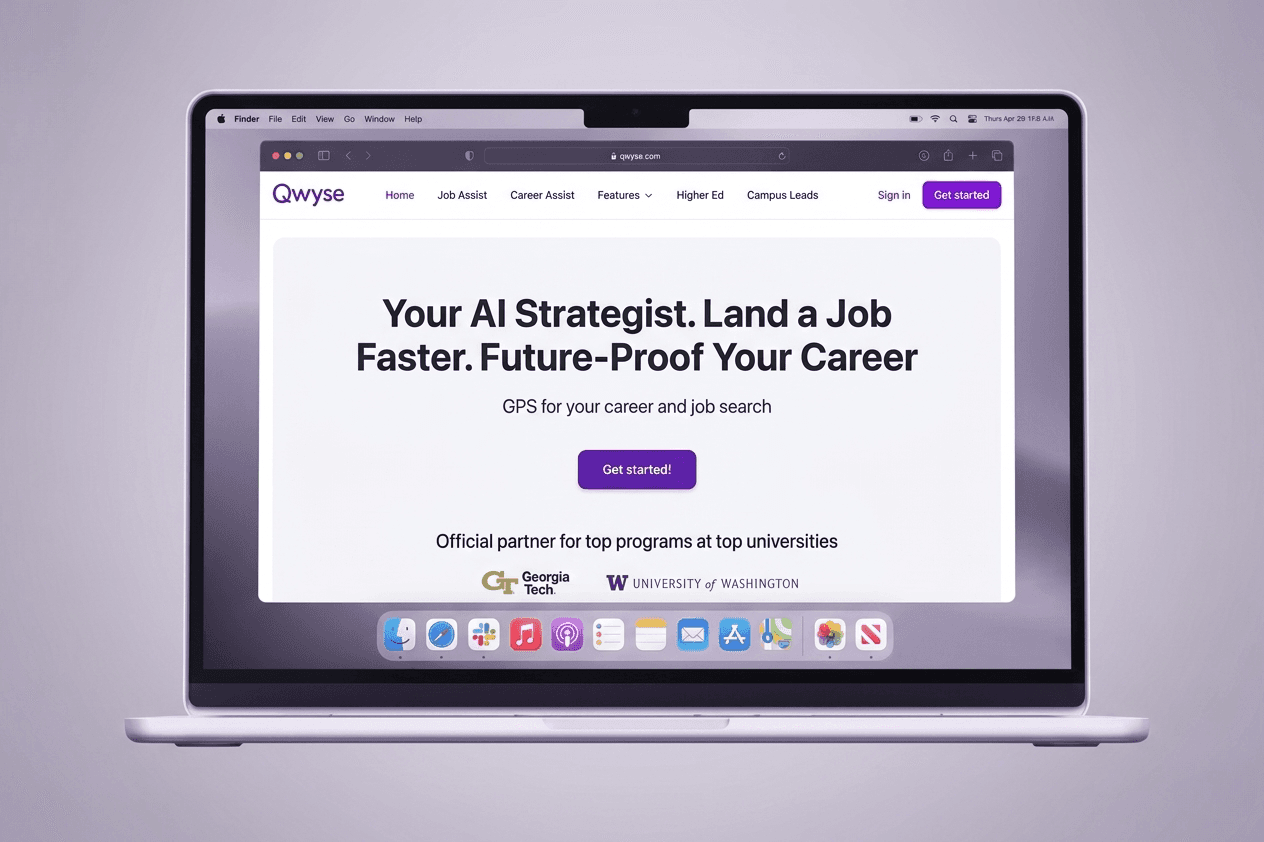
Qwyse is an AI-powered career coaching platform that connects job-seeking students through structured peer accountability groups, making the job search feel less like going it alone and more like having a team in your corner.
Atlanta, GA
2024
AI-Power Platforms
Me (UX Research & Product Design), Gabrielle Oh (Project Manager and Product Design), David Martin (Technical Writer), and Arnav Ganga (Technical Lead)
Challenge
Students aren't failing at job searching because they lack resources. They're failing because they lack a community, career centers aren't advancing, and the emotional toll of rejection quietly kills motivation. The core problem that we found was the need for collective action.
Results
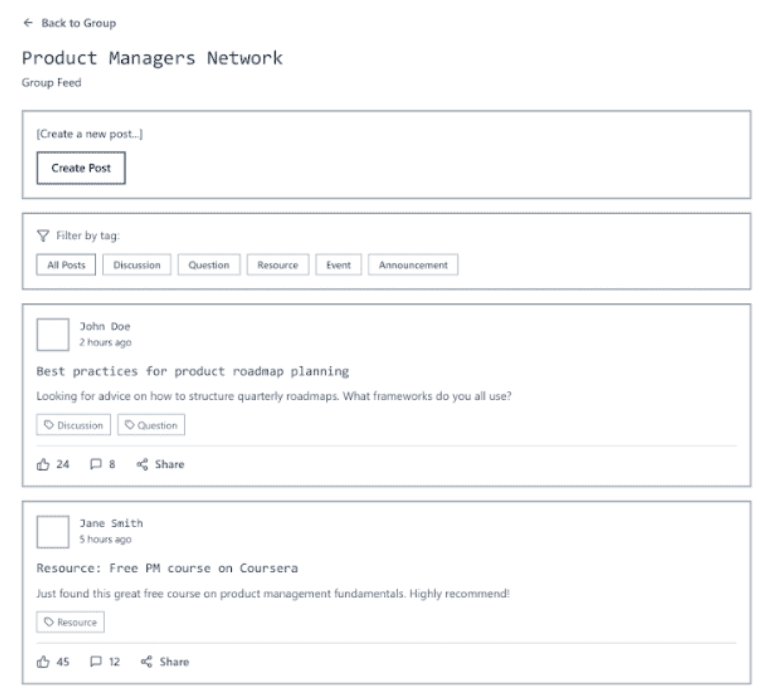
We designed Peer Accountability Pods, structured groups of 6-7 students built around weekly rituals, resume feedback, and mutual support to help students build a community and encourage consistent applications. The system includes automated Wednesday check-ins and Friday reflections, inline resume commenting with AI-generated rubric prompts, gentle accountability nudges with mental health quiet mode, AI-powered engagement scoring that detects disengagement early, and cross-pod community insights that create social proof at scale.
72%
Unsatisfied with College Resources
83%
Prioritize collaboration with peers
52%
Find motivation crucial to job searching
Process
Research & Analysis: We ran a mixed-methods study with 24 survey participants and 4 in-depth interviews, recruiting students across undergraduate, graduate, medical, law, and pharmacy programs at multiple universities to avoid single-institution bias. We wanted to understand how students actually approach job searching, where peer interaction fits in, and whether demand for structured accountability was real or just stated. 47.8% described their job search as 'periodically intense,' meaning motivation was the real product we needed to design for
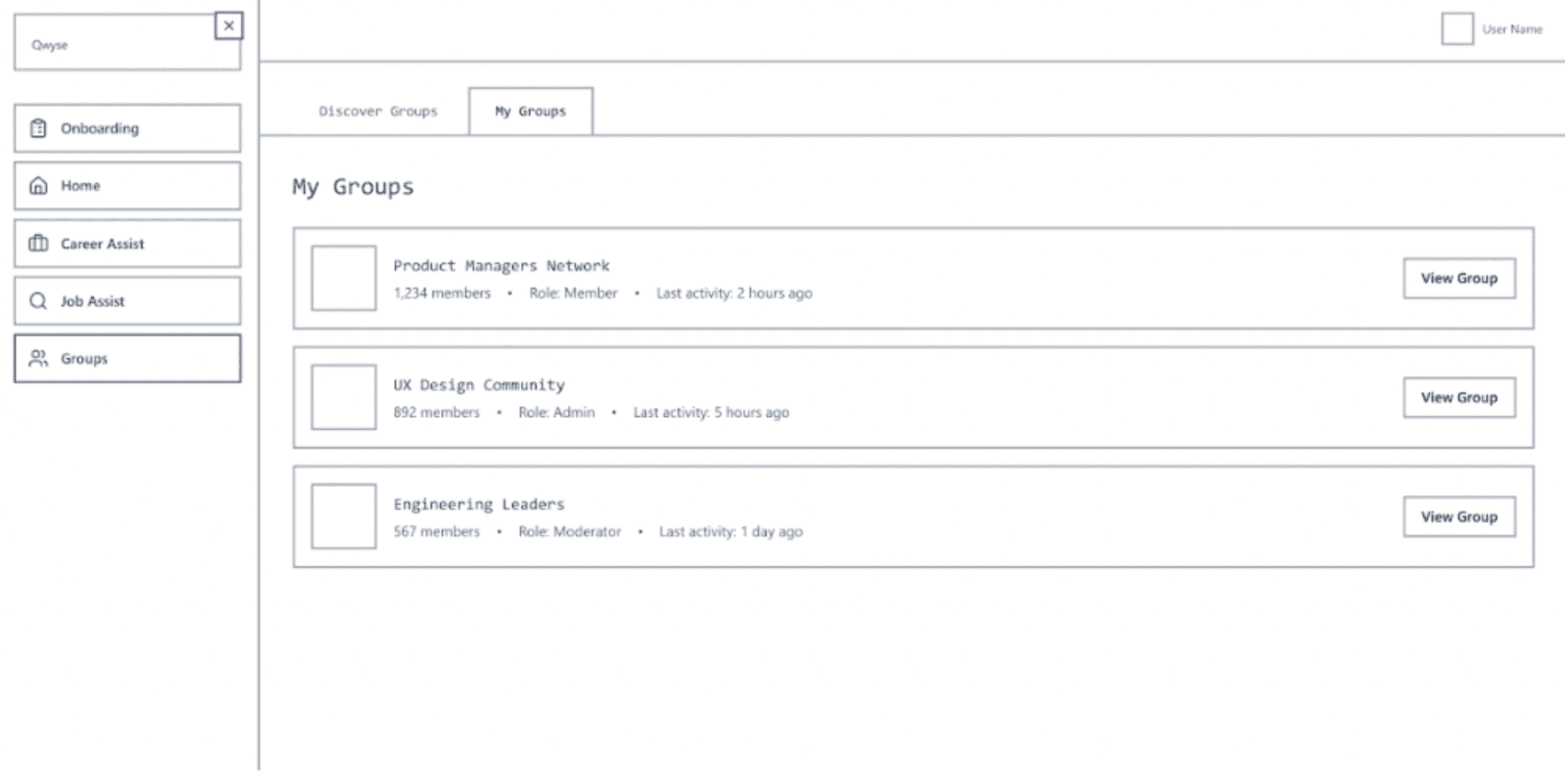
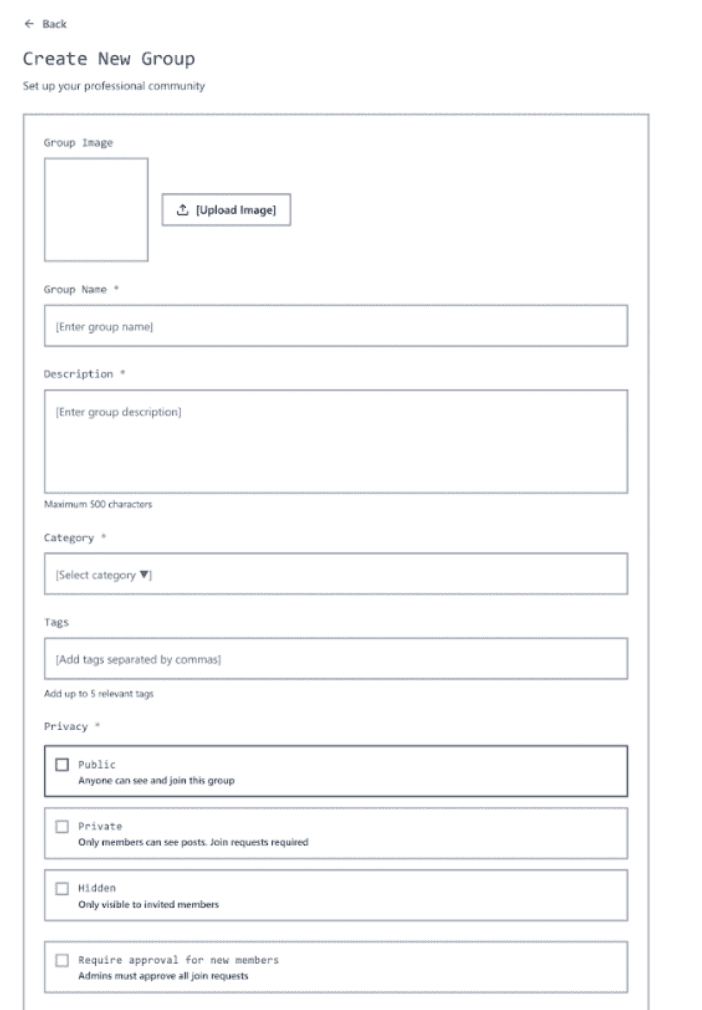
Wireframing & Prototyping: We designed low-fidelity wireframes to visualize the new layout and navigation, iteratively refining them based on user feedback and stakeholder feedback. After pin pointing where we could improve, we built a high-fidelity, interactive prototype to test the design.
Usability Testing: We conducted usability tests with a diverse group of studnets to validate the design and identify areas for improvement. Based on the feedback, we made necessary adjustments to the design to improve usability for students. A lot of students liked the community aspect of the peer groups and 70% percent said they would utilize it.
Visual Design & Style Guide: We stuck to a a cohesive visual language that Qwyse engineers had already implemented, including color schemes, typography, and iconography, ensuring consistency throughout the app. We wanted to include UI elements that made the app more engaging and exciting rather than sterile and intimidating.